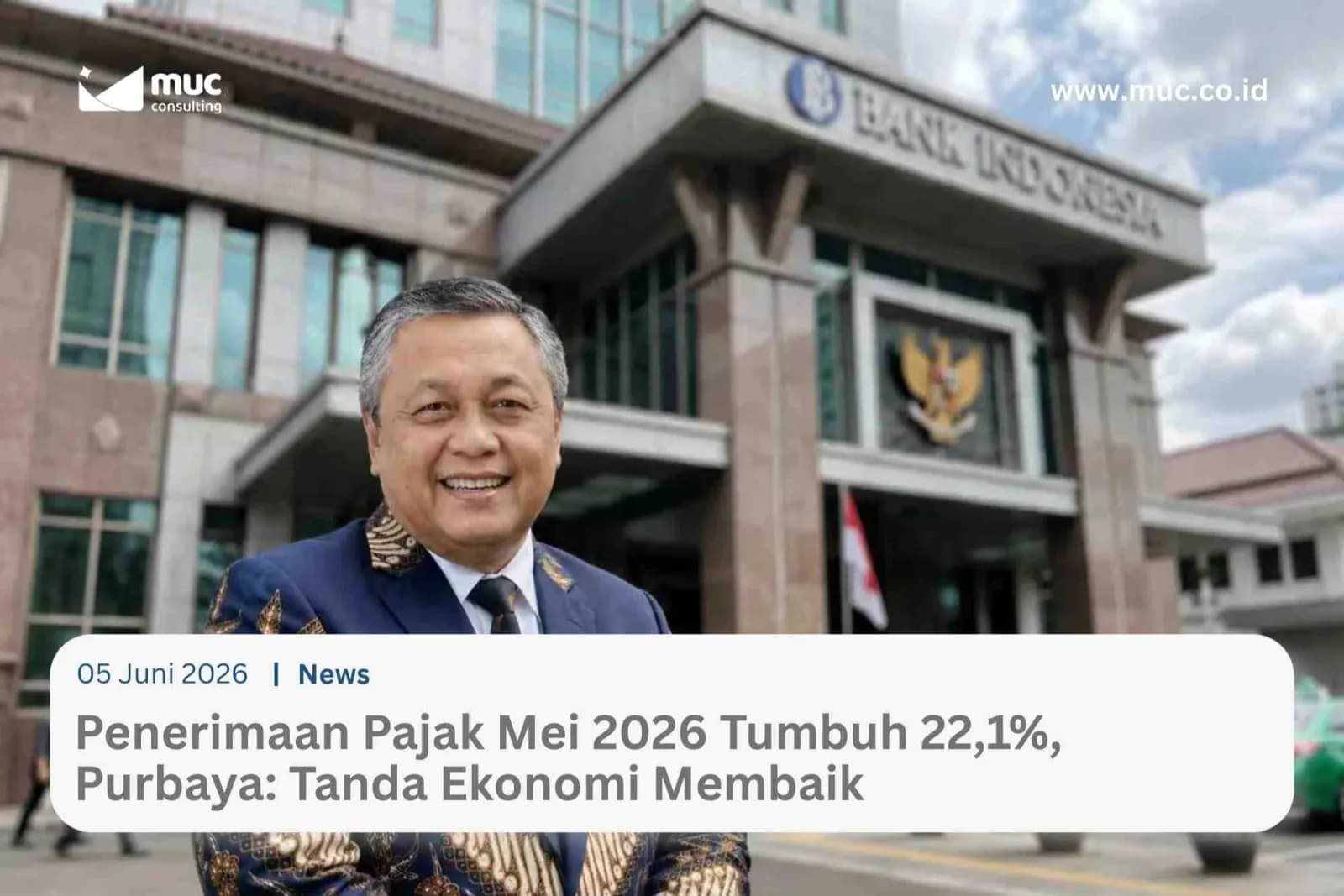
JAKARTA. Bank Indonesia (BI) unexpectedly raised its benchmark interest rate (BI-Rate) by 25 basis points to 5.50% during the Weekly Board of Governors Meeting held on Tuesday (June 9, 2026). At the same time, BI increased the Deposit Facility rate to 4.50% and the Lending Facility rate to 6.25%.
The decision was made amid growing external pressures affecting the rupiah exchange rate. Over the past few weeks, the rupiah’s depreciation has been greater than previously anticipated due to global market volatility triggered by conflicts in the Middle East, strong domestic demand for foreign currencies, and capital outflows by foreign investors from Indonesia’s financial markets.
Governor Perry Warjiyo said the rate hike was necessary to maintain economic stability and strengthen Indonesia’s attractiveness as an investment destination.
"This policy is also intended to increase returns and enhance the attractiveness of Indonesia for foreign portfolio investment inflows," he explained, as quoted in a Bank Indonesia press release.
According to BI, the move is also a preemptive measure to keep inflation in 2026 and 2027 within the government’s target range of 2.5% ±1%.
Rupiah Weakens, BI Adds Incentives
Bank Indonesia stated that its evaluation since the Monthly Board of Governors Meeting on May 19–20, 2026, showed that the rupiah had weakened more than previously projected.
In addition to global uncertainty, the rupiah’s depreciation has been driven by rising domestic demand for foreign exchange and continued foreign portfolio investment outflows.
"The stabilization of the rupiah exchange rate is also aimed at preserving Indonesia’s external economic resilience and ensuring that the inflation targets for 2026 and 2027 are achieved," Perry said.
Beyond raising the BI Rate, the central bank also introduced several measures designed to attract foreign capital back into the country and maintain financial market stability.
These measures include increasing yields on Bank Indonesia Rupiah Securities (SRBI) for the 6-, 9-, and 12-month tenors, providing a 10% reduction in hedging swap costs for foreign investors, and reopening repo auction facilities with maturities of up to 12 months for banks.
BI has also intensified its monetary operations in both rupiah and foreign currencies, including increasing the frequency of SRBI auctions and conducting interventions in the foreign exchange market.
Through this combination of interest rate policy and market incentives, BI hopes to maintain rupiah stability while encouraging foreign investors to return to Indonesia’s financial markets. (KEN)