IMF Proposes Higher Employee Tax Rates, Purbaya Prioritizes Economic Stability
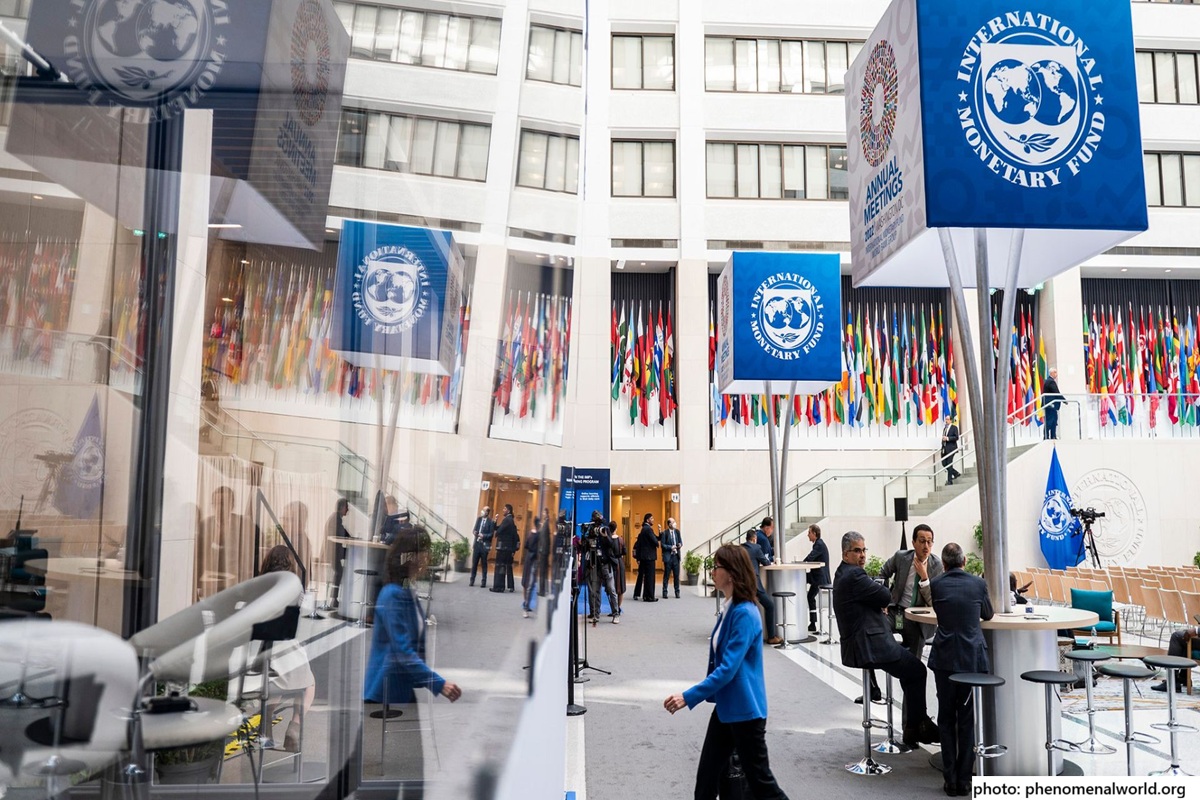
JAKARTA. The proposal from the International Monetary Fund (IMF) for Indonesia to raise employee income tax (ITA 21) has drawn a response from Minister of Finance Purbaya Yudhi Sadewa. The government stressed that it will not revise labor income tax rates in the near term, particularly as economic conditions are not yet considered sufficiently strong.
The IMF previously suggested a gradual increase in employee taxes as one option to keep the State Budget (APBN) deficit below 3% of gross domestic product (GDP), while also supporting long-term public investment financing toward Indonesia's Golden Vision 2045.
However, Purbaya believes the measure is not appropriate at this time. He emphasized that Indonesia’s fiscal deficit remains within a safe threshold, so the government prefers to focus on other strategies.
“We have maintained the deficit below 3%, which is good. The IMF’s proposal to increase taxes is also good. But I said that before the economy becomes strong, we will not change those tax rates,” Purbaya said at the Parliament Complex on Wednesday (February 18), as quoted by CNNIndonesia.com.
According to him, the government is currently prioritizing tax base expansion and closing revenue leakages rather than increasing rates. These efforts are expected to boost state revenue organically alongside economic growth.
Government Remains Cautious
In a report titled Golden Vision 2045: Making the Most Out of Public Investment: Indonesia, the IMF stated that public investment is key to achieving Indonesia’s long-term development targets. In its simulation, public investment is projected to increase gradually by up to 1 percentage point of GDP over the next two decades.
At the initial stage, financing would rely on the state budget, while in the longer term, higher labor taxes could be considered to reduce dependence on deficits. The IMF also noted that Indonesia’s budget deficit in 2025 stood at around 2.92% of GDP, close to the statutory ceiling.
Nevertheless, the government remains cautious. Purbaya warned that raising taxes too quickly could weaken public purchasing power, especially while the economy is only beginning to recover.
“The IMF’s suggestion is good, but we will adjust it to our circumstances. We don’t want to suddenly raise taxes and then everything collapses, purchasing power is destroyed, and the economy falls again,” Purbaya said at the Parliament Complex in Jakarta on Wednesday (February 18), as quoted by CNBC Indonesia.
He added that poorly timed policies that weaken the economy could ultimately force the government to increase borrowing to cover the deficit, thereby raising future fiscal risks.
As an illustration, total government debt in 2025 reached IDR 9,637.9 trillion, with a debt-to-GDP ratio of 40.46%, the highest level in the past four years. This condition is one of the government’s considerations in maintaining a balance between economic growth and fiscal stability. (KEN)